
In modern architecture, the façade is no longer just an outer surface. It is a performance layer, a design statement, and often the defining identity of a building. From sleek commercial towers to expressive residential structures, facade cladding has become a central component of contemporary design. But beyond aesthetics, cladding plays a crucial role in safety, durability, thermal comfort, and long-term maintenance.
This guide explains what facade cladding is, why it matters, the main types of cladding materials, and how modern innovations, especially clay-based flexible cladding, are reshaping architectural exteriors.
What Is Facade Cladding?
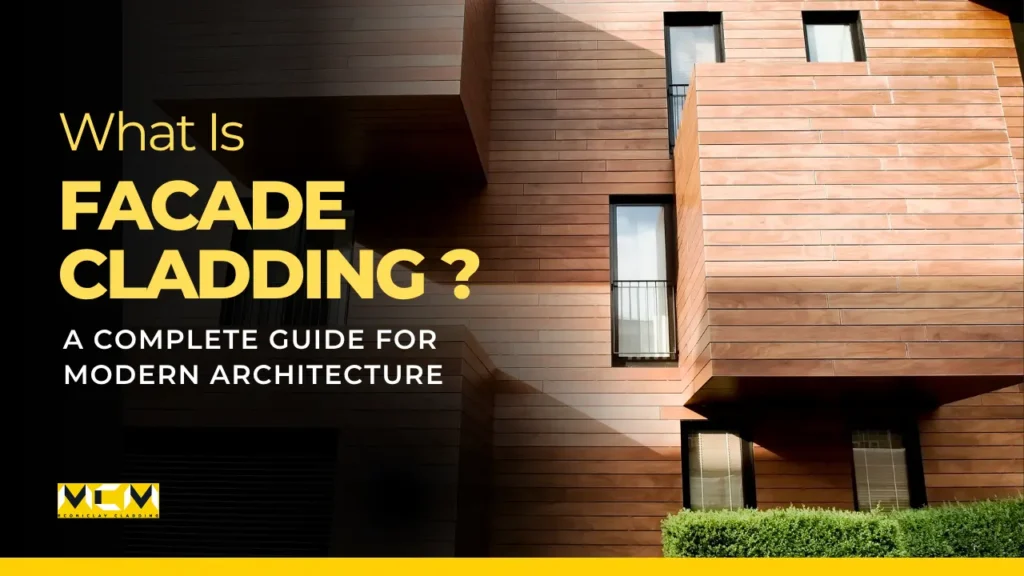
Facade cladding is a non-structural outer layer applied to a building’s exterior walls. It acts as a protective skin that shields the main structure from environmental conditions while enhancing the building’s appearance.
Unlike the structural wall, cladding is designed to:
- Protect against rain, wind, and pollution
- Improve thermal and acoustic performance
- Enhance visual appeal
- Reduce maintenance
- Extend the lifespan of the building envelope
In simple terms, cladding is what separates the structural core of the building from the external environment.
Why Facade Cladding Is Essential in Modern Architecture
Buildings today are:
- Taller
- More complex
- More exposed to environmental stress
- Designed with larger openings and thinner structures
Because of this, the façade must do more than just look good. It must perform.
Key Functions of Facade Cladding
1. Environmental Protection
Cladding protects the building from:
- Rain and moisture penetration
- UV radiation
- Wind pressure
- Dust and pollutants
This prevents structural deterioration over time.
2. Thermal Efficiency
Proper cladding systems:
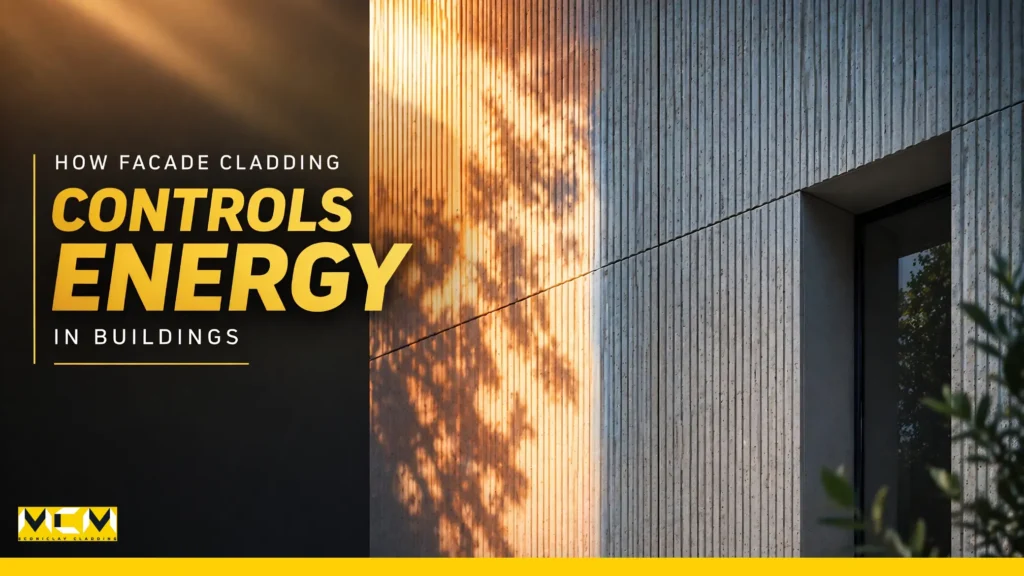
- Reduce heat gain in hot climates
- Improve indoor comfort
- Lower energy consumption
3. Acoustic Control
Facade cladding helps:
- Reduce external noise
- Improve indoor acoustic comfort
Especially in dense urban areas.
4. Architectural Identity
Cladding allows architects to:
- Experiment with textures and forms
- Create distinctive visual language
- Use natural or contemporary finishes
Major Types of Facade Cladding Materials
Different materials offer different benefits. The choice depends on:
- Climate
- Budget
- Structural limitations
- Design intent
- Maintenance expectations
Stone Cladding
Stone has been used in architecture for centuries and is often associated with permanence and prestige.
Advantages:
- Natural aesthetic
- High durability
- Timeless appeal
Limitations:
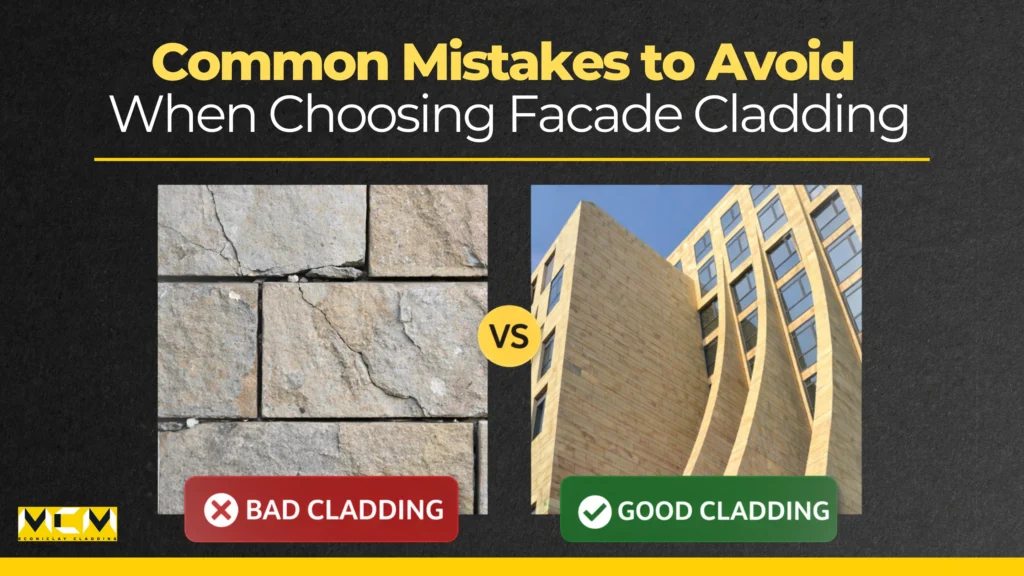
- Very heavy
- High structural load
- Complex installation
- Potential detachment risks over time
- Higher transportation and labor costs
Metal Cladding (ACP, Aluminum, Steel)
Metal panels are commonly used in commercial and institutional architecture.
Advantages:
- Lightweight compared to stone
- Modern appearance
- Fast installation
- Wide color options
Limitations:
- Can dent or deform
- Limited natural texture
- Thermal expansion concerns
- May require periodic maintenance
Glass Facade Systems
Glass is widely used in:
- Corporate offices
- Commercial towers
- Mixed-use developments
Advantages:
- Maximum natural light
- Contemporary aesthetic
- Transparent, open feel
Limitations:
- Heat gain without proper treatment
- Cleaning and maintenance requirements
- Limited texture or tactile quality
Ceramic and Terracotta (Clay) Cladding
Clay-based materials like terracotta and ceramic panels are increasingly popular in modern architecture.
Advantages:
- Natural, earthy appearance
- Color stability (no fading pigments)
- Good resistance to weathering
- Sustainable material origin
Limitations:
- Moderate to heavy weight
- Rigid panels
- Complex support systems
- Limited flexibility for curved designs
Modified Clay-Based Flexible Cladding
A newer category of cladding combines the natural qualities of clay with modern engineering to create lightweight, flexible cladding sheets.
These materials are typically made from:
- Modified clay
- Natural minerals
- Polymer bonding systems
Advantages:
- Significantly lighter than stone or ceramic panels
- Flexible enough for curved surfaces
- Natural textures and earthy tones
- Reduced structural load
- Easier and faster installation
- Low maintenance
This category is increasingly used in:
- Contemporary residential projects
- Commercial facades
- Renovation and retrofitting
- Complex or curved architectural forms
Wet Cladding vs Dry Cladding
Cladding systems are also classified by installation method.
Wet Cladding
- Uses adhesives or cementitious systems
- Bonds the cladding directly to the surface
Advantages:
- Faster installation
- Lower hardware requirements
- Ideal for lightweight materials
Risks:
- Heavy materials increase detachment risk
- Adhesive performance becomes critical
Dry Cladding
- Uses mechanical anchors and substructures
- Creates a cavity behind the cladding
Advantages:
- Better ventilation
- Suitable for heavy panels
- Easier replacement
Limitations:
- Higher cost
- More complex installation
Key Factors to Consider When Choosing Facade Cladding
1. Weight and Structural Load
Heavy materials:
- Increase dead load
- Require stronger substructures
- Raise long-term safety risks
Lightweight cladding:
- Reduces load
- Simplifies installation
- Improves safety margins
2. Maintenance Requirements
Some materials:
- Fade over time
- Require sealing
- Need regular cleaning
Modern cladding systems aim for:
- Minimal maintenance
- Natural color stability
- Long-term performance
3. Flexibility and Design Freedom
Rigid materials:
- Limit curves
- Increase installation complexity
Flexible cladding:
- Enables curved facades
- Allows seamless surfaces
- Supports expressive architecture
4. Climate Compatibility
Cladding should:
- Resist moisture
- Withstand temperature changes
- Maintain color and texture over time
The Shift Toward Lightweight, Clay-Based Cladding
As buildings become taller and more complex, architects are moving away from:
- Very heavy stone panels
- High-maintenance exterior materials
- Rigid cladding systems
Instead, there is growing interest in:
- Lightweight mineral-based materials
- Clay-based flexible cladding
- Low-maintenance exterior systems
- Materials designed for long-term performance
This shift is driven by:
- Safety considerations
- Faster construction timelines
- Sustainability goals
- Lower lifecycle costs
Where MCM Cladding Fits Into Modern Architecture
Modern modified clay-based cladding systems, such as those offered by MCM Cladding, are designed to address the limitations of traditional facade materials.
These systems combine:
- The natural qualities of clay
- Lightweight construction
- Flexible application
- Low maintenance performance
They are particularly suited for:
- Contemporary architectural facades
- Curved or complex surfaces
- Renovation and retrofitting projects
- Buildings where weight reduction is critical
By offering the visual richness of natural materials without the structural challenges of heavy stone or rigid ceramic panels, modified clay cladding represents a practical evolution in facade design.
Conclusion
Facade cladding is no longer just a decorative layer. It is a strategic architectural decision that influences:
- Safety
- Energy performance
- Maintenance costs
- Structural load
- Visual identity
Modern architecture increasingly demands materials that are:
- Lightweight
- Durable
- Flexible
- Low maintenance
- Environmentally responsible
Clay-based flexible cladding systems are part of this shift, offering a balance between natural aesthetics and modern performance; helping architects design facades that are not only beautiful, but also practical and long-lasting.
Frequently Asked Questions
Everything you need to know about facade cladding, materials, and modern architectural applications.
Facade cladding is a non-structural outer layer applied to a building’s exterior that protects it from environmental conditions while enhancing its appearance.
It improves durability, energy efficiency, and safety while allowing architects to create visually distinctive and high-performance structures.
Common materials include stone, metal (ACP), glass, ceramic/terracotta, and modern lightweight clay-based flexible cladding systems.
Wet cladding uses adhesives to bond materials directly to the wall, while dry cladding uses mechanical systems like anchors and frames for installation.
Lightweight cladding reduces structural load, improves safety, and simplifies installation, making it more suitable for modern architecture.
Flexible cladding can bend and adapt to curved or complex surfaces, making it ideal for contemporary designs, renovations, and expressive architecture.